
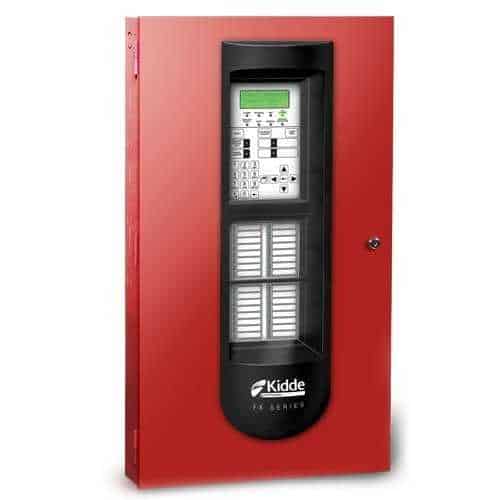
A Fire Alarm Control Panel, also known as a FACP is the central processor of a fire alarm system. It receives signals from all the detectors in the systems and initiates coordinated actions, like sounding the alarm, when emergencies occur and making critical decisions. The FACP monitors the buildings processing information and communicated instructions. These different controls are like the human brain because they both manage many things at one time.
What does FACP stand for?
FACP stands for Fire Alarm Control Panel. The FACP is the central hub of a fire alarm system that monitors and manages all detection and notification devices. It also monitors input devices including smoke detectors, heat detectors and pull stations. It displays status, normal, alarms, trouble and supervisory conditions. Finally communicates with emergency panels and monitoring services.
What is a Fire Alarm Control Panel?
The fire alarm control panel is essential; it ensures that every part of the fire alarm system works together seamlessly. Without it, detectors and alarms wouldn’t be able to coordinate. Leading to delays in warning building occupants during an emergency. Modern panels can also provide detailed information on the exact location of the issue. Reducing response times and preventing property damage. In short, a well-functioning fire alarm panel is a critical part of any life safety system. It helps protect both people and properties from fire-related dangers.
When an input device signals an alarm condition, the panel activates notification appliances. Some of these include horns, strobes and speakers to alert occupants. It also communicates with monitoring centers or emergency personnel, ensuring a rapid response to potential fire hazards.
What do Fire Alarm Control Panels do?
The FACP is a central area for wires and circuits-it acts as the decision-maker for the entire fire alarm system. When a connected device like a smoke detector or heat sensor detects an abnormal condition. The panel evaluates the signal and decides whether it represents a real fire threat. If it does, the panel initiates a series of automated responses designed to keep people safe and protect property.
One of the panel’s primary functions is to activate alarm signals throughout the building. This includes sounding audible alarms, flashing visual indicators like strobe lights and sending emergency voice messages when necessary. At the same time, the fire panels can trigger suppression systems, such as sprinklers or clean agent systems. If they are integrated into the building’s fire protection design. These actions occur almost instantly, minimizing the time between detection and response.
In addition to activating alarms and suppression, the fire alarm control panel plays a crucial role in system supervision. The device constantly checks the health of the fire alarm system. It monitors for issues such as wiring faults, device malfunctions or loss of communication. If a problem is detected, a panel sends a trouble signal. This allows maintenance teams to respond to it before it could become a hazard. By serving as both a watchdog and a command center, the fire panel works together.
How does a Fire Alarm Control Panel work?
The FACP works by acting as the communication hub between all devices in the fire alarm system. It relies on two main functions: inputs and outputs. Input devices include things like smoke detectors, heat detectors, pull stations and water flow switches. They send signals to the panel whenever they detect a potential fire condition. Once the panel processes this information, it activates outputs. In many cases, it also transmits signals to a monitoring station or emergency responders to initiate a prompt response.
Modern fire alarm panels often come with advanced features such as programmable logic, network connectivity and integration with building automation systems. These capabilities allow for customized responses. For example they could shut down HCAS-systems to prevent the spread of smoke or could automatically unlock exit doors during an alarm. Combining precise detection with intelligent control, the fire alarm control panel ensures a highly efficient and coordinated fire protection strategy.
When is a Fire Alarm Control Panel required?
A FACP is required whenever a building's fire protection design calls for an integrated fire alarm system. It is outlined by building codes and safety standards. Authorities such as the National Fire Protection Association (NFPA) and/or local code enforcement agencies specify when a fire alarm panel must be installed. This is based on factors like occupancy type, building size and fire risk. For example, NFPA 72, the National Fire Alarm and Signaling Code, sets guidelines for system design. By installing one it ensures life safety and property protection.
Certain types of facilities are almost always required to have a fire panel. These include high-occupancy buildings such as schools, hospitals, hotels and office complexes where rapid evacuation is crucial. Places that typically require fire alarm control panels include warehouses, large residential buildings and/or industrial facilities. Smaller commercial spaces may need one if they exceed a certain square footage or if specific fire hazards are present. The goal is to provide a centralized control point that ensures alarms and safety systems function properly in an emergency.
Compliance isn’t just about following regulations; it’s about risk management. Insurance providers often mandated fire alarm systems with control panels to reduce liability and prevent major losses. In many jurisdictions, occupancy permits cannot be issued until a compliant fire alarm system is installed and tested.
What are the different types of Fire Alarm Control Panels?
There are three primary types of fire alarm control panels. Each designed to meet different building requirements: conventional, addressable and hybrid systems.
A conventional fire alarm panel works by dividing a building into zones, with multiple devices wire into each zone. When an alarm is triggered, the panel indicates the affected zone but cannot identify the exact device. The panels are relatively low-cost and simple to install. This makes them ideal for small buildings or single-story facilities with limited fire risks. An addressable fire alarm system offers far greater precision. It assigns a unique digital address to every device in the system. When a detector or pull station activates, the fire alarm panel can display the exact location. This reduces emergency response times and simplifies maintenance. These systems also support advanced features like programmable logic, network connectivity and integration with building automation systems. This trade-off is cost—addressable panels and devices are more expensive upfront and require specialized programming during installation.
Hybrid systems combine the strengths of both conventional and addressable technology. They allow facility managers to upgrade part of their system to addressable while keeping some conventional circuits. This makes them a cost-effective solution for large buildings undergoing phased upgrades. This flexibility helps reduce installation costs while still providing improved functionality where it matters most. Ultimately, choosing between these types depends on building size, complexity, regulatory requirements and budget considerations.
There are two main types of fire alarm panel, conventional. In a conventional system, devices are grouped into zones. The panel can only indicate which zone the alarm originated from. It cannot tell the specific device. This makes troubleshooting and pinpointing an issue more time-consuming. On the other hand, an addressable fire alarm system assigns a unique digital address to each device. This allows the panel to identify the exact location of an activated detector or pull station. It speeds up emergency response, reduces downtime during maintenance.
What is a FACP room and where are they located?
An FACP room is a designated space within a building that houses the fire alarm control panel. This room serves as the main control point for monitoring alarms, system status and initiating emergency functions during a fire event. Building codes and safety standards require the FACP room to be easily accessible to emergency personnel. It is typically located near a main entrance or in an area with direct access from the outside. It must also remain secure and free from clutter to prevent damage or interference with critical equipment. Proper placement of the FACP room ensures that firefighters and maintenance teams can quickly access the panel. This way they can silence alarms, reset the systems or review event logs during emergencies. Making it an essential part of a building’s fire safety strategy.
The FACP should be installed in a location that is both secure and easily accessible. It should follow the guidelines outlined in NFPA 72 and local building codes. Panels must be mounted at an appropriate height for easy operation, with clear signage identifying their location. The installation site must also have reliable communication lines for remote monitoring and backup power to ensure continuous operation.
Conclusion
Choosing the right fire alarm control panel is one of the most critical decisions in building safety. It determines how effectively your fire alarm system detects, communicates and responds to emergencies. The ideal panel should meet your building's size, complexity and compliance requirements while providing reliability and ease of maintenance. Trusted brands such as Honeywell, Kidde, Potter and Silent Knight are known for producing high-quality panels. They meet stringent safety standards and offer advanced features for modern facilities. Investing in a dependable fire panel ensures seamless integration with your fire protection strategy. It leads to faster emergency response and peace of mind for building owners and occupants alike. In the end, the right choice isn't just about meeting codes. It's about safeguarding lives and property with a system you can trust.