
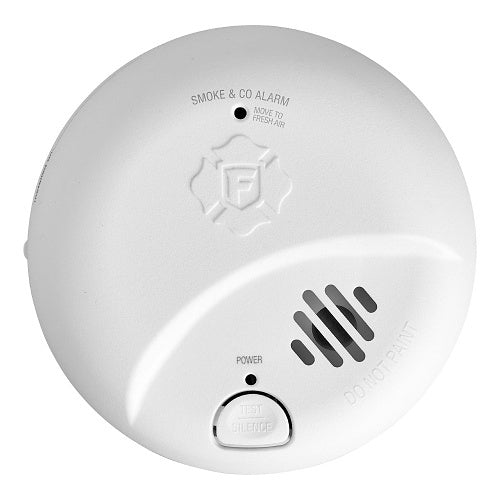
Everything you need to know about carbon monoxide detectors!
A CO detector is a safety device that monitors indoor air and alerts you when it detects caron monoxide (co) gas. These devices are critical because CO is colorless, odorless and tasteless, making it impossible to detect without a specialized sensor. Breathing in CO fumes can damage the brain, heart and other organs. High levels of exposure can lead to permanent injury or even death. CO detectors help prevent serious health risks, protect property and provide peace of mind by warning you before CO reaches dangerous levels.
In this post, we’ll explore what carbon monoxide detectors are, how they work and why they’re essential for home safety. By the end, you’ll understand how to use them to protect your household from this invisible gas.
What is a Carbon Monoxide Detector?
A carbon monoxide detector alerts you when CO levels in your home become dangerous. When the gas reaches a certain concentration, the device sounds like an alarm, giving you time to act before it affects your health. While they may look like smoke detectors, CO detectors function differently and respond to different types of threats.
Smoke detectors and CO detectors both play crucial roles in keeping your home safe, but they detect different hazards. Smoke detectors sense smoke particles in the air, often the first sign of a fire. Typically, this device uses photoelectric sensors to detect changes in light caused by smoke. CO detectors use electrochemical sensors to monitor carbon monoxide. Toxic gas produced by incomplete combustion from sources like furnaces, gas stoves and fireplaces. Both devices are essential and work together to protect against different but equally dangerous threats.
How do Carbon Monoxide Detectors work?
Carbon monoxide detectors help prevent poisoning by continuously monitoring the air for CO gas. Since carbon monoxide is undetectable to human senses, it can build up without any warning signs.
Most detectors emit a loud, high-pitched beeping sound when they detect elevated CO levels. Many modern models—such as those from Kidde, System Sensor, and Honeywell—also feature smart technology that sends alerts to your phone. This way, you can act quickly, even when you're not home. Advanced detectors can also integrate with full fire alarm systems for added protection.
Some systems connect to smart home platforms, enabling features like automatic ventilation or gas shutoff. These integrations make CO detectors a powerful part of any comprehensive home safety setup.
What do Carbon Monoxide Detectors do?
Carbon monoxide detectors serve as a life-saving purpose. They monitor the indoor air presence of carbon monoxide gas and alert occupants before levels become dangerous. It is completely undetectable by human senses, a working CO detector is often the only way to prevent poisoning.
The sound that emits from these detectors is designed to respond with an immediate warning. These detectors are designed to alert everyone in the house or premises. The sound is designed to be impossible to ignore. It ensures people have time to ventilate the area, shut off appliances and evacuate.
When do CO detectors go off?
Carbon monoxide detectors are programmed to sound an alarm when they detect certain levels of CO in the air, measured in parts per million (ppm). Thresholds are based on standards from health and safety organizations. For example:
- 70 ppm for 60–240 minutes
- 150 ppm for 10–50 minutes
- 400 ppm for 4–15 minutes
This staggered response helps prevent false alarms while ensuring protection from serious exposure.
The delay in sounding the alarm depends on both the concentration and duration of exposure. Low levels of carbon monoxide may go undetected for a period because they pose little immediate risk.
Exposure to 30 ppm for a short duration may not trigger an alarm as it’s unlikely to cause symptoms in healthy individuals. However, as concentrations rise, the detector responds more quickly. At high levels like 400 ppm, which can lead to life-threatening symptoms, the device will sound within minutes. This graduated system ensures a balance between early warning and avoiding unnecessary panic.
Can carbon monoxide detectors go bad?
Yes, carbon monoxide detectors do go bad over time. Like any electronic device, they have a limited lifespan. Typically, between 5 to 10 years depending on the brand and model. The electrochemical sensors inside the detector degrade over time and become less effective at accurately sensing danger. Even if the device still appears functional, it may not provide reliable protection if it’s past its expiration date.
There are several signs that your carbon monoxide detector may be failing. One of the most common indicators is the device chirping or beeping at regular intervals. This often signals a low battery or an internal sensor issue. Some models have digital displays or status lights that show error codes or warning messages when there’s a malfunction. If the detector doesn’t sound an alarm when exposed to test gas, it’s likely no longer functioning properly.
To ensure your CO detector stays in good working condition,
- Test alarms monthly
- Replace batteries yearly
- Keep units clean and dust-free
- Replace units at the end of their service life
Are Carbon Monoxide Detectors required by law?
In many parts of the United States, carbon monoxide detectors are not just recommended, they’re required by law. State and local building codes often mandate the installation of CO detectors in residential and commercial buildings. Particularly those with fuel-burning appliances or attached garages. While the requirements may vary by jurisdiction, the overall trend across the country has been toward stricter regulations. This is to protect occupants from the dangers of carbon monoxide poisoning.
For residential buildings, most states require carbon monoxide detectors in all newly constructed homes. In general, homes that contain gas furnaces, wood-burning fireplaces or other combustion-based appliances must have CO detectors. There should typically be 3-4 detectors in each home.
Commercial properties are also subject to CO detector regulations depending on their location and usage. In many states, occupancy permits will not be granted until these life-safety devices are properly installed and inspected. Beyond legal requirements, having carbon monoxide detectors in place can also impact insurance and liability. Many insurance providers require functioning CO detectors as part of their policy conditions, particularly for rental properties or businesses. If an incident occurs and detectors are missing or non-functional, it could result in increased liability for property owners.
Because regulations vary, it’s best to check your local code requirements using up-to-date state-by-state legislation provided by the National Conference of State Legislatures (NCSL).
Can Carbon Monoxide Detectors detect natural gas?
No, carbon monoxide detectors cannot detect natural gas leaks. While both carbon monoxide (CO) and natural gas are dangerous, they are entirely different substances. Detecting them requires different types of sensors. Carbon monoxide is a byproduct of incomplete combustion. These detectors use electrochemical sensors that specifically react to carbon monoxide molecules, not other gases.
Natural gas, on the other hand, is primarily composed of methane (CH₄). It’s highly flammable and can create explosion risks if it accumulates indoors. While natural gas itself is odorless, companies add a chemical called mercaptan to give it a distinctive rotten egg smell. This makes leaks easier to notice. You’ll need a separate natural gas detector to monitor for leaks. These devices are designed to detect combustible gases like methane, propane, or butane. They sound an alarm when levels reach a potentially dangerous threshold.
To fully protect your home, consider using both carbon monoxide and natural gas detectors—especially if you have gas-powered appliances. Together, they provide comprehensive coverage against two of the most common and hazardous invisible threats in a household.
Conclusion
Carbon monoxide detectors are one of the most important safety devices you can have in your home. Carbon monoxide is invisible, odorless and potentially deadly. Having a working CO detector is the only reliable way to protect your family from this silent threat. These devices provide early warnings before CO levels become dangerous, giving you time to ventilate, evaluate or call for help.
To stay safe:
- Test monthly and change batteries annually
- Install CO detectors on every level of your home
- Place them near bedrooms and gas appliances
- Replace expired units
If you already have carbon monoxide detectors in your home, now it is a great time to inspect them! Check the expiration date, replace old or malfunctioning units. If you don’t have any CO detectors installed yet, don’t wait. Adding them is a simple step to save your life and others.