
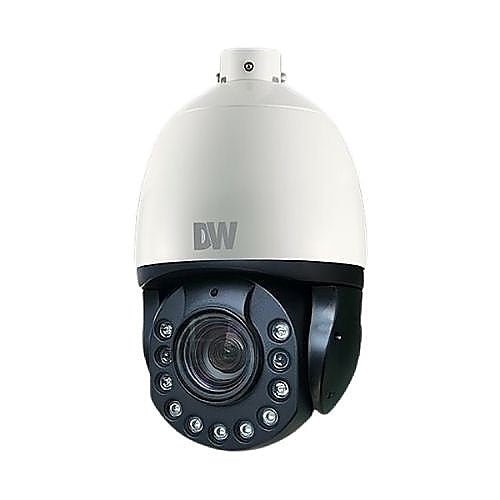
Everything you need to know about PTZ cameras!
PTZ cameras – Pan-Tilt-Zoom cameras- are highly versatile tools that can be used for so many things. A few include security surveillance, live streaming, broadcasting and video conferencing. These cameras move horizontally, vertically and zoom in and out while focusing on a subject. They are often controlled by a remote control or automated software. With their many mechanics, they are ideal for monitoring larger areas. Capturing detailed views without the need for extra cameras.
What are PTZ cameras?
PTZ cameras are advanced video surveillance devices designed to provide a high level of control and coverage to video monitoring. They can move via a remote, so you don’t have to manually move the camera to view what you need. The flexibility of these cameras allows you to view subjects from different angles and/or directions. The “pan” function enables the camera to rotate horizontally; the “tilt” function moves the camera vertically; and the “zoom” function allows for close-up views of distant objects using either optical or digital zoom. These movements are typically done via remote or computer software.
This makes PTZ cameras especially useful in environments like stadiums, parking lots, warehouses and city limits. This is helpful because fixed camera’s field of view may be too limited. In addition to traditional surveillance, PTZ cameras are widely used to capture dynamic footage without physically repositioning the device. Many modern PTZ models also support IP connectivity. This allows for remote access and control over the internet, adding convenience and flexibility for security professionals.
How can they be used?
In a wide range of applications flexible video coverage is essential in security and surveillance capabilities. This allows the operator to monitor expansive areas and track moving subjects in real time. Their versatility reduces the need for multiple fixed cameras, making them a cost-effective solution for comprehensive coverage.
PTZ cameras are also widely used for broadcasting and live event production, including lecture halls, concerts and corporate presentations. Their remote-control capabilities make them ideal for capturing multiple angles and close-ups, without the need for a camera operator at each position. Enabling professional-grade video with minimal personnel. PTZ cameras enhance the users’ experience by automatically framing speakers. They can also switch views to focus on active participants in telepresence settings.
How to they work?
PTZ cameras work through a combination of mechanical components and digital control systems that allow the camera to pan (rotate horizontally), tilt (move vertically) and zoom (adjust the lens to focus on subjects at varying distances). With the help of their mechanical parts, these cameras can have a wide monitor of about 180-360 degrees view. Providing extensive coverage from a single mounting point. The pan and tilt mechanisms are powered by small motors within the camera housing. It responds to control signals sent by a user or automated system.
These cameras can be operated with a personnel member via a remote camera controller. Many PTZ cameras are also IP-enabled, meaning they can be accessed and controlled over a network. This allows operators to manage multiple cameras from a centralized location. Zoom functionally-typically optical for professional-grade models—lets the camera maintain image clarity even when focusing on distant objects.
Some PTZ cameras are equipped with advanced features such as motion tracking, present patrol routes and AI-powered analytics. These enable the camera to automatically follow movement or scan designated zones at scheduled intervals. These capabilities make PTZ cameras highly efficient and responsive tools for both security surveillance and video production.
Pros and cons of PTZ cameras:
These cameras have a wide range of advantages and disadvantages that should be considered when deciding on a surveillance or video capture solution. One of the biggest advantages of PTZ cameras is their ability to monitor large areas with a single device. Thanks to their tilt, pan and zoom functions, they can be accessed remotely as well as filming large areas. Many models of the camera include auto-tracking capabilities. Enabling the camera to follow moving objects or people automatically. This enhances security and reduces the need for constant manual control. A few brands that we offer via our sales page, Axis PTZ cameras, Dahua and Hikvision all have these auto-tracking capabilities that many regular cameras don’t offer.
There are some disadvantages to PTZ cameras, but that comes along with everything. Something significant is the price of PTZ cameras. They can be more expensive than regular security cameras. Due to their wide lenses and range of mobility, you don’t need as many as you would with regular security cameras.
PTZ Cameras vs. Normal Cameras:
PTZ cameras and regular security cameras have many differences, as well as similarities. These cameras can view more areas at one time due to their advanced mechanical motors. Regular security cameras have a fixed view that needs to be manually changed. With the help of a remote control or software access you can move PTZ cameras to have a different view.
Another difference between the two is the price. PTZ cameras may cost more, but you don’t need as many of them. Regular fixed security cameras cannot get all the angles; therefore, you need more of them. With the PTZ cameras you can use a small amount because of their advanced mechanics.
Why are PTZ cameras expensive?
PTZ cameras can be on the more expensive side because they have 3 different motors. They also have high technology that helps them have remote control. Along with those two things, they have high-end large sensors and advanced image processing algorithms. The lens quality of the PTZ cameras is more advanced, raising the price compared to the regular security cameras.